NEW YORK CITY · TREATMENT GUIDE
Melasma Treatment in NYC
A thoughtful approach to stubborn dark patches, uneven skin tone and long-term pigmentation care on Manhattan’s Upper East Side.
FREE CONSULTATION ↗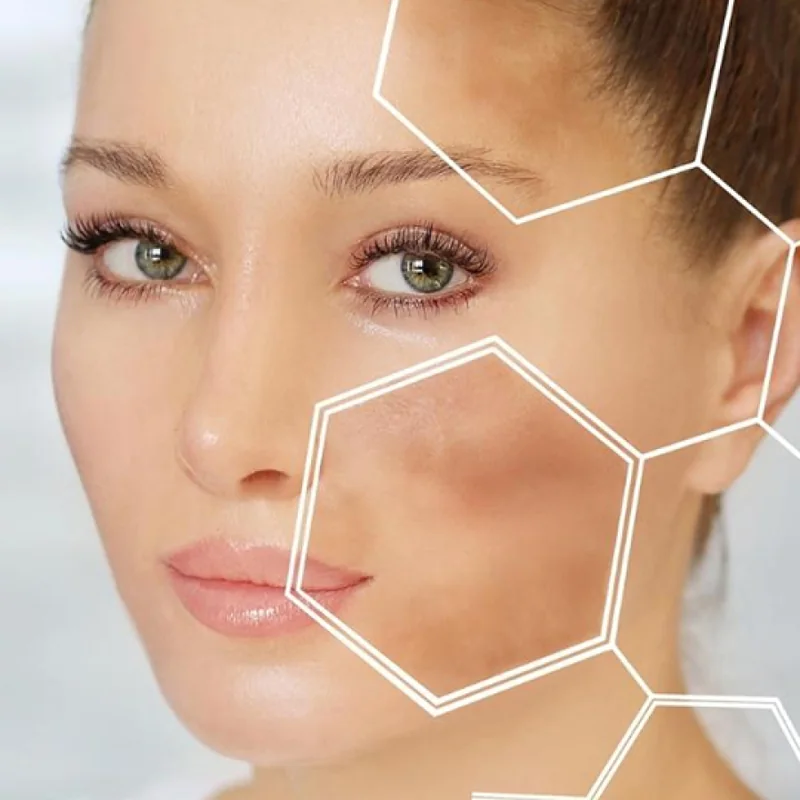
PERSONALIZED PIGMENTATION CARE · UPPER EAST SIDE
Melasma Care Designed Around Your Skin
Brown or gray-brown patches on the cheeks, forehead, upper lip or chin can be difficult to manage—especially when sunlight, hormonal changes or skin irritation repeatedly trigger pigmentation. At BioSkin Laser in New York City, we believe effective melasma care starts with understanding your skin, not choosing the most aggressive procedure.
Our Upper East Side team discusses your skin history, current products, goals and previous treatment experiences to help you explore suitable skincare and aesthetic options. BioSkin Laser's published services include chemical peels and microdermabrasion. These may be discussed as part of a broader plan, but neither is a universal solution for melasma, and professional diagnosis is important before treatment.
What Is Melasma—and Why Does It Return?
Melasma is a common pigmentation disorder that creates irregular dark patches, usually on the face. Ultraviolet and visible light, hormonal influences, genetics and inflammation can all contribute. Melasma is not the same as every dark spot: sun spots, post-acne marks and other conditions may look similar but require different care.
Because melasma can recur, successful management typically means improving discoloration while protecting the skin against future flare-ups—not promising a permanent cure.
How BioSkin Laser Approaches Melasma Concerns
1. Skin assessment and an individualized plan
We begin by discussing when the pigmentation appeared, whether it changes with sun exposure, your skin tone, past reactions to skincare and any current medications or pregnancy-related factors. A dermatologist can confirm the diagnosis and determine whether prescription therapy is needed.
2. Gentle exfoliation and selected chemical peels
BioSkin Laser offers chemical peel services, including glycolic acid/AHA and VI Peel options described in its treatment information. In carefully selected patients, a professionally chosen superficial peel may complement a pigmentation-care plan. Strong peels or excessive irritation can worsen discoloration, especially in deeper skin tones, so treatment selection and supervision matter.
3. Microdermabrasion for surface texture—not a melasma cure
Our diamond-tip microdermabrasion service exfoliates the skin's surface. It may be useful for some texture concerns, but it does not directly address every cause or depth of melasma. We do not present microdermabrasion as a guaranteed way to erase melasma.
4. At-home care and dermatologist-directed options
Consistent sun protection and gentle skincare are the foundation. Depending on diagnosis, a dermatologist may recommend prescription treatments such as hydroquinone, azelaic acid, tretinoin-containing regimens or other therapies. Availability and suitability must be confirmed with the prescribing clinician; these are not represented as treatments dispensed by BioSkin Laser.
Melasma Treatment Options at a Glance
| Approach | Potential role | Important consideration |
|---|---|---|
| Tinted SPF 30+ sunscreen with iron oxides | Daily UV and visible-light protection | Essential for prevention and maintenance |
| Dermatologist-prescribed skincare | Reduce excess pigmentation over time | Requires medical assessment and consistent use |
| Selected superficial chemical peels | May support improvement in appropriate patients | Irritation can make pigmentation worse |
| Microdermabrasion | Surface exfoliation and texture care | Not a stand-alone cure for melasma |
| Laser or light procedures | Sometimes used by dermatologists for selected cases | Heat and inflammation can worsen melasma; not first-line for everyone |
What to Expect at Your Consultation
We will discuss your main concerns, your skincare routine and previous treatments, then explain which available aesthetic services may be appropriate—or when evaluation by a board-certified dermatologist is the better next step. The goal is a measured plan that respects your skin tone, sensitivity, lifestyle and long-term maintenance needs.
Preparation, Aftercare and Everyday Protection
- Wear a broad-spectrum, water-resistant SPF 30 or higher every day; a tinted formula containing iron oxides helps protect against visible light.
- Reapply sunscreen as directed, seek shade and use a wide-brimmed hat when outdoors.
- Avoid harsh scrubs, unapproved acids and irritating products; ask your provider which active ingredients to pause before a procedure.
- Tell your provider about pregnancy, hormonal medications, recent tanning, skin sensitivities and prior pigmentation reactions.
- Follow procedure-specific aftercare and contact your clinician if you develop unusual blistering, severe pain or increasing discoloration.
Realistic Results: Gradual Improvement, Ongoing Maintenance
Melasma often improves gradually rather than after one appointment. The American Academy of Dermatology notes that improvement may take three to twelve months with an appropriate treatment plan. Recurrence is possible, particularly with sun exposure or hormonal triggers. We avoid promises of permanent removal, fixed session counts or identical outcomes for every skin tone.
Frequently Asked Questions About Melasma Treatment in NYC
Discuss Your Pigmentation Concerns with BioSkin Laser
Visit our Upper East Side location at 220 East 63rd Street, Lobby 1, New York, NY 10065. Call 917-443-2929 to ask about consultations and available skincare services.
FREE CONSULTATION ↗This page is educational and does not replace medical diagnosis. A board-certified dermatologist should evaluate suspected melasma and guide prescription or higher-risk procedural treatment.