NEW YORK CITY · TREATMENT GUIDE
Chemical Peels in NYC
Reveal a smoother, brighter-looking complexion with personalized chemical peel consultations at BioSkin Laser on Manhattan’s Upper East Side. Explore exfoliating treatments for dullness, uneven tone, fine lines and select acne concerns.
FREE CONSULTATION ↗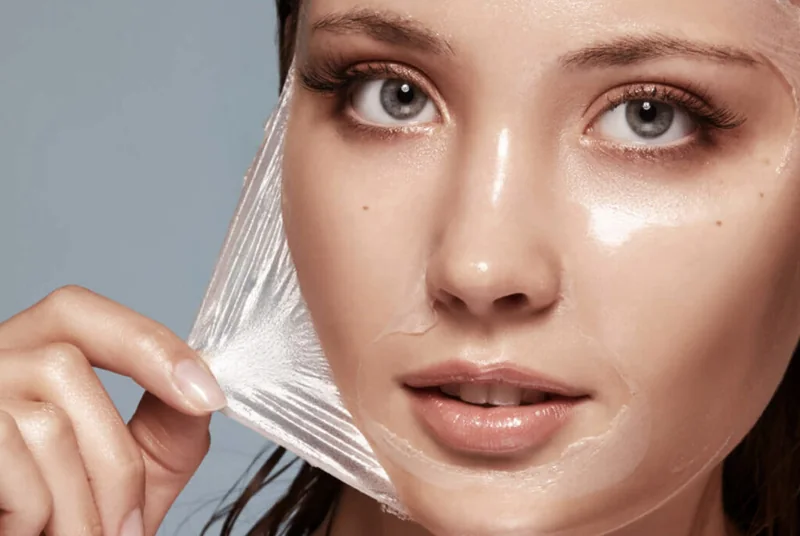
PERSONALIZED SKIN REJUVENATION · UPPER EAST SIDE
Refresh Your Skin with Chemical Peels at BioSkin Laser
New York City life can be demanding on your skin. Sun exposure, environmental stressors and everyday changes in skin turnover may leave your complexion looking uneven or dull. At BioSkin Laser, we approach chemical peels as a personalized skin-care treatment—not a one-size-fits-all solution. Our Upper East Side team discusses your concerns, skin history and goals before recommending whether a peel may be suitable.
A chemical peel uses a carefully selected exfoliating solution to remove superficial damaged skin cells and encourage a smoother-looking surface as the skin renews. Depending on the peel and your skin, it may help improve visible discoloration, rough texture, certain types of acne and fine lines. Chemical peels do not replace a facelift, permanently shrink pores or erase deep scars.
Which Chemical Peels Does BioSkin Laser Discuss?
BioSkin Laser’s published treatment information describes alpha-hydroxy acid (AHA) peels, including glycolic acid, as well as VI Peel. The exact formulation, strength and availability should be confirmed during your appointment.
Glycolic Acid & Other AHA Peels
Superficial AHA peels target the outer layers of skin and may be appropriate for concerns such as dullness, uneven texture and some superficial discoloration. Mild redness or flaking can occur, and a series of treatments may be recommended.
VI Peel
VI Peel is a branded chemical-peel system used to address concerns such as uneven tone, visible sun damage and some acne-related discoloration. It is not suitable for everyone; your provider should review the specific formulation, contraindications, expected peeling and aftercare before treatment.
What Can a Chemical Peel Help Improve?
- Dull or rough-looking skin: exfoliation can help create a smoother, fresher appearance.
- Uneven tone and sun-related discoloration: selected peels may improve some superficial pigment changes.
- Acne-prone skin: certain peel types may complement an appropriate acne-care plan.
- Fine lines: superficial changes in skin texture may become less noticeable.
- Post-acne marks: some discoloration may fade with a suitable plan, although indented scars often require different treatment options.
For melasma, darker skin tones, sensitive skin or a history of post-inflammatory hyperpigmentation, peel selection and preparation are especially important. Results depend on the condition being treated, the peel depth and individual response.
What Happens at Your NYC Chemical Peel Appointment?
- Skin consultation: discuss pigmentation, acne, sensitivity, medications, prior peels, sun exposure and your goals.
- Customized plan: review the peel type and depth, expected sensation, downtime and whether pre-treatment skin care is needed.
- Professional application: the skin is cleansed and the selected solution is applied and monitored according to the treatment protocol.
- Aftercare: follow the specific cleansing, moisturizing and sun-protection instructions provided by your clinician.
Preparation, Recovery & Aftercare
Before your peel, tell your provider about retinoids, exfoliating products, recent sun exposure, medications, previous reactions, cold sores and any history of abnormal scarring. Do not stop prescribed medication unless your prescribing clinician advises it. Your provider may recommend temporarily adjusting active skin-care products.
Recovery depends on peel depth. A light peel may involve several days of redness, dryness or flaking; medium-depth peels require longer healing and more careful follow-up. Avoid picking peeling skin, follow moisturizer instructions and protect treated skin from the sun. Contact your provider if you develop unexpected severe pain, blistering or worsening redness.
How Many Chemical Peels Will I Need?
BioSkin Laser’s published information describes a potential series of five or six sessions for some goals, but this is not a universal schedule. Mild peels are often repeated in a series, while deeper peels follow different timelines. The number and spacing of visits should be determined by your skin, the selected formula and your response.
Why Choose BioSkin Laser on the Upper East Side?
Our approach centers on individualized treatment discussions, clear expectations and selecting an appropriate option for your skin. Conveniently located at 220 East 63rd Street, Lobby 1, New York, NY 10065, BioSkin Laser welcomes clients from the Upper East Side and across Manhattan seeking professional guidance on skin rejuvenation.
Interested in a chemical peel in NYC? FREE CONSULTATION or call 917-443-2929 to discuss available services and next steps.
CHEMICAL PEEL CONSULTATIONS · MANHATTAN
Find the Right Approach for Your Skin
Not every complexion needs the same exfoliation. Our consultation can help you compare light peels, VI Peel and other facial rejuvenation options, with an emphasis on your skin tone, sensitivity, recovery preferences and desired improvements.